TRAVEL SAFETY ALERTS
Crime Diary 2026: Travel Safety Alerts Japan 2026
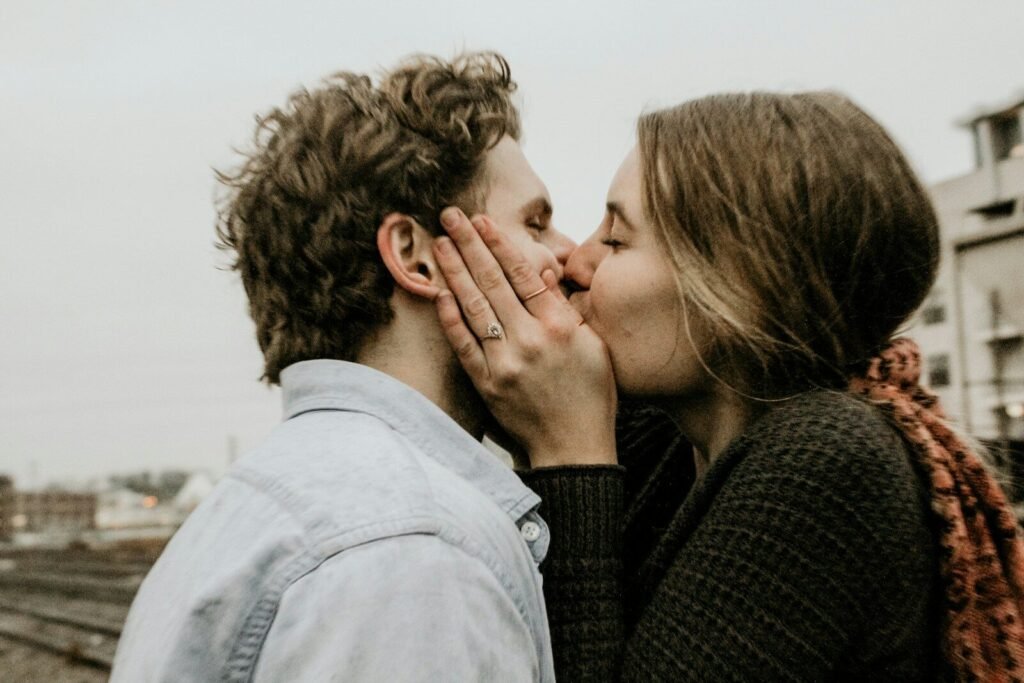
“Japan Is Safe, But That Doesn’t Mean There Is No Crime” Michael Machida
Whenever I talk to people outside Japan about what it is like to live here, one of the first things that comes up is crime. Japan has an international reputation for being an exceptionally safe country, and I understand why.
I have walked through Tokyo late at night, ridden trains at unusual hours, visited busy entertainment districts, and watched people leave their belongings in places where they probably wouldn’t dare leave them in many other countries.
“Travel Safety Alerts really gave me a better way to travel.”
There is a level of everyday trust in Japan that can feel very different to someone coming from the United States or another Western country.
But there is something I think needs to be said more often. Japan is safe, but Japan is not crime-free. I can personally tell you that there is crime here. The difference is that some of it doesn’t look like the crime people expect to find when they hear the word “Japan.”
You may not see the same level of street violence or robbery that exists in some major cities around the world, but that doesn’t mean people cannot be deceived, exploited, robbed, manipulated, or financially damaged.
“I read Travel Safety Alerts once and I was hooked!”
That is the reason I wanted to start TheJEGroup! Crime Diary 2026. I want to talk about the side of Japan that tourists don’t always hear about.
I also want to look at crime in other countries as this series develops, because international travelers need more than beautiful photographs and lists of tourist attractions. They need to know what can actually go wrong when they leave home.

Crime Can Look Different From Country to Country
I have always believed that you can’t completely separate crime from the society in which it happens. Criminal behavior exists everywhere, but the way people meet, communicate, date, conduct business, and develop relationships can influence how certain crimes take place.
That is particularly important for foreigners because something that seems completely normal to a Japanese person may be interpreted differently by someone who has never lived in Japan.
“Happy I found Travel Safety Alerts! Thank you!”
Japan has a unique combination of traditional social expectations and modern city life. Tokyo and Yokohama are enormous international cities.
There are business districts, residential neighborhoods, tourist areas, nightlife districts, dating services, restaurants, bars, clubs, and entertainment businesses operating around the clock. Millions of people interact with each other every day, and most of those interactions are completely harmless.
But where there are large numbers of people, money, nightlife, and relationships, there will also be opportunities for dishonest people to take advantage of others. That doesn’t make Japan dangerous. It simply means that visitors shouldn’t confuse a low level of street crime with a complete absence of risk.
The Kind of Crime I Want to Talk About
One subject that concerns me is financial exploitation involving romantic relationships. Before I go any further, I want to make something clear.
Romance scams are not uniquely Japanese, and I am not suggesting that Japanese women or foreign women are generally involved in this behavior.
“Travel Safety Alerts is great. I had no idea about this kind of crime!”
That would be unfair and simply wrong. Most people are honest, and most relationships in Japan are exactly what they appear to be.
What I am talking about is the individual who deliberately creates or maintains a romantic relationship because it gives them access to another person’s money.
The victim believes the relationship is real, while the other person may be treating the relationship as a financial opportunity.
The same thing can happen in America, Europe, Southeast Asia, or anywhere else, but the circumstances surrounding the relationship can sometimes look different in Japan.
“Travel Safety Alerts is a great service guys!”
I have heard stories about men who meet women through bars, dating apps, nightlife areas, introductions, or ordinary social situations. At first, nothing seems unusual.
They have dinner together, go shopping, spend weekends together, exchange messages throughout the day, and begin talking about their future.
The man may genuinely believe that he has met somebody who loves him, and that belief can become very strong before any serious financial problems appear.

When Romance and Money Become Connected
The financial side of the relationship may begin so gradually that the victim doesn’t immediately recognize what is happening.
Perhaps she needs help with rent. Maybe she has an unexpected medical bill or a family problem back home. Perhaps she has lost her job or needs money for an emergency.
“I sent in my story to Travel Safety Alerts a month ago. Thanks for posting it…!!”
The amount might initially be small, and because the man believes they are a genuine couple, helping her may seem like a perfectly reasonable thing to do.
This is where the situation can become complicated. He isn’t thinking, “I’m giving money to someone I barely know.” He is thinking, “I’m helping my girlfriend.”
Those are two completely different ways of looking at the same financial transaction. Once someone has become emotionally attached, it can be very difficult to step back and question the relationship objectively.
Over time, the requests can become larger. The first emergency is followed by another. Then another. The person promises to repay the money but never seems to have enough to do it.
“I asked my boss about Travel Safety Alerts and he said, TheJEGroup!”
The victim may begin paying rent, covering bills, buying expensive gifts, sending money overseas, or providing loans. What started as a small favor can eventually turn into hundreds of thousands or even millions of yen.
The “You Should Take Care of Me” Argument
One aspect of these relationships that I find particularly interesting is the use of traditional ideas about relationships and gender to create financial pressure.
Someone may tell a man that he is supposed to take care of his woman, that a man should provide for his partner, or that refusing to help financially means he doesn’t really love her.
What is Travel Safety Alerts? The best way to learn about global crime.
Those ideas aren’t necessarily criminal by themselves. Every culture has different expectations about relationships, money, marriage, and family responsibilities.
The problem begins when those expectations are deliberately used to manipulate someone into handing over money.
A man who genuinely believes he is building a future with someone may feel that refusing to help makes him a bad partner. He may even feel guilty for asking where the money is going.
The person requesting the money doesn’t necessarily have to threaten him. She may simply make him feel responsible, and that emotional pressure can be enough to keep the money flowing.
If I were in that situation, I would stop and look at the relationship from the outside. Love should not require one person to repeatedly prove their commitment by going into debt.
“Travel Safety Alerts was the best way to know about crime in Japan”
If you are constantly being asked for money, particularly while being told that refusing means you don’t love the person, I believe you need to take a serious look at what is happening.
When the Emergencies Never Seem to End
One financial request doesn’t automatically mean someone is running a scam. Real emergencies happen.
Travel Safety Alerts for Safe Travel Abroad
People lose jobs, family members become sick, rent becomes due, and unexpected expenses appear. Couples sometimes help each other financially, and there is nothing wrong with that.
What concerns me is a repeated pattern. If there is always another emergency, another bill, another relative who needs help, or another reason why repayment has to be delayed, I would start asking questions.
The individual situation may sound reasonable every time, but when you put all of the events together, the pattern can look very different.
I think that is one of the biggest mistakes people make. They examine each request separately instead of looking at the entire relationship.
Five small emergencies may not look suspicious individually, but if every one of them requires you to provide money, the larger picture deserves attention.
Where Does the Money Actually Go?
Another question I would ask is where the money is going. Many foreign residents in Japan have families in other countries, and sending money home is completely normal.
Parents, children, brothers, sisters, and other relatives may depend on financial support from someone working in Japan. There is nothing wrong with that.
The problem comes when the person deliberately lies about the destination or purpose of the money. Imagine believing that you are helping your girlfriend prepare for the future you are building together, only to discover that much of the money is supporting another household or another relationship.
Imagine discovering that there are important facts about her personal life that you were never told. Perhaps there are other romantic relationships, major debts, children, or financial obligations that you knew nothing about.
At that point, the victim may realize that he wasn’t simply helping his partner through a difficult period. He may have been manipulated into financing a life he never understood.
Why Victims Often Don’t Report What Happened
There is another side of these stories that I think deserves much more attention: the victim’s embarrassment. Losing money to a stranger is one thing. Losing money to somebody you loved is completely different.
The victim may have introduced that person to friends, talked about marriage, shared private information, or even told his family that he had finally found someone special.
Then everything falls apart…
Many people don’t want to admit what happened because they are afraid their friends will ask how they could have been so trusting. Some are embarrassed that they gave away large amounts of money.
Others worry that their family will be angry with them. Some victims may even continue defending the person who took their money because admitting the truth means admitting that the relationship they believed in may never have been real.
The emotional damage can be much greater than the financial loss. A person can lose confidence, become isolated, stop trusting potential partners, and spend years trying to understand how they allowed the situation to happen.
That is why I don’t believe we should simply laugh at people who fall for these scams. A person who has been deliberately manipulated is a victim, not a fool.
Japan’s Nightlife and the Problem of Perception
I also think foreigners need to understand that Japan’s nightlife can sometimes create confusing situations for people who aren’t familiar with it.
Tokyo and other large cities have enormous entertainment industries, including bars, clubs, hostess establishments, restaurants, dating services, and other businesses where people socialize.
There is nothing inherently wrong with these businesses. People go out, socialize, meet friends, and enjoy themselves. The problem is that a foreign visitor may not always understand whether the attention they are receiving is personal or professional.
Someone who is inexperienced with Japan’s nightlife culture may interpret friendliness, affection, or regular attention as evidence of a romantic relationship when the other person sees the situation very differently.
That doesn’t mean every woman working in a hostess club is trying to deceive customers. Far from it. It simply means that travelers need to understand the environment before they make assumptions about what a particular relationship means.
Don’t Confuse Attention With Commitment
This is something I would tell anyone visiting Japan for the first time. Enjoy the attention, enjoy the nightlife, and enjoy meeting people, but don’t immediately assume that somebody’s friendliness means they want a serious relationship.
Take your time…
Get to know someone outside the environment where you met. See how they behave when money isn’t involved. See whether their stories remain consistent. Meet their friends if appropriate. Learn about their life. A genuine relationship doesn’t have to be rushed.
If someone begins talking about marriage, money, shared finances, or major financial commitments very early in the relationship, I would slow things down. There is absolutely nothing wrong with saying, “I like you, but I need time.”
The person’s reaction to that statement can tell you quite a lot.
Protecting Yourself While Still Enjoying Japan
I don’t want anyone reading this article to come to Japan afraid of meeting people. That isn’t the message I am trying to send. Japan is a fascinating country, and meeting Japanese people and other foreigners is one of the best parts of living here.
I have met many good people in Japan, and I would never suggest that people isolate themselves because of the possibility of scams.
What I am saying is that you should maintain your independence. Keep your own bank account. Don’t give a new romantic partner your ATM card, PIN, online banking password, credit card information, or other financial credentials.
Be cautious about large loans, particularly when the relationship is relatively new.
If someone asks you for a substantial amount of money, don’t make the decision while you are emotional. Give yourself time.
Talk to a trusted friend. Write down exactly what you have already given and what you have been promised in return. Sometimes seeing the numbers on paper can make a situation much clearer.
Pay Attention to How Someone Handles Boundaries
One of the best ways to understand a relationship is to establish a reasonable boundary and see what happens. If you say that you cannot afford to lend money and the other person respects your decision, that’s one thing.
If they become angry, accuse you of not loving them, threaten to leave, or suddenly change their behavior, I would pay close attention.
A healthy relationship should allow both people to say no.
You should never have to put yourself into financial hardship to prove that you love someone. If a relationship depends on you continually giving money, something is wrong, even if you haven’t yet figured out exactly what it is.
This Isn’t About Blaming Women
I want to return to this point because it is important. I am not writing this article to attack Japanese women, foreign women, or anybody who works in Japan’s nightlife industry.
Most people are not involved in scams, and it would be irresponsible to suggest otherwise.
The issue is individual behavior. Men can manipulate women. Women can manipulate men. Japanese people can manipulate foreigners. Foreigners can manipulate Japanese people. Anyone can become a victim, and anyone can potentially become a perpetrator.
For me, the important question isn’t, “What nationality is the person?” The question is, “What is the person doing?” Are they lying? Are they manipulating you? Are they repeatedly asking for money? Are they hiding important information? Are they creating emotional pressure to get what they want?
Those are the warning signs I want readers to think about.
The Bigger Purpose of TheJEGroup! Crime Diary 2026
This article is the beginning of a larger project that I want to develop through TheJEGroup! Crime Diary 2026.
I want to examine crime from the perspective of international travelers, foreign residents, expatriates, students, workers, and people who decide to build part of their lives outside their home countries.
“I read Travel Safety Alerts every time I fly…”
When people research a country before traveling, they usually look for hotels, restaurants, attractions, transportation, weather, and things to do.
Those things are important, but I think travelers also need practical information about what can go wrong.
Sometimes the risks are obvious. Other times they are not.
A traveler can be robbed on the street, but they can also lose money through a business deal. They can have their wallet stolen, but they can also have their trust exploited.
“Travel Safety Alerts is my kind of read…!!”
They can meet someone in a bar and have a perfectly enjoyable evening, or they can meet someone who sees them as a financial opportunity.
That is the side of international travel that doesn’t always appear in the glossy brochures.
Japan Is Still Japan
Despite everything I have written here, I don’t want anyone to misunderstand my overall view of Japan. I still believe Japan is one of the most interesting and comfortable countries in the world for international visitors.
The safety, transportation, food, culture, history, and everyday experiences are major reasons people keep coming back.
But I don’t believe that loving a country means pretending its problems don’t exist.
“Travel Safety Alerts helped me with my travels!”
If anything, I think being honest about problems makes it easier for people to enjoy a country responsibly. Japan doesn’t need to be presented as either a perfect paradise or a dangerous place. It is neither.
It is a real country with millions of good people, normal problems, and criminals who sometimes find ways to take advantage of others.
That is the Japan I want to talk about.

Do You Have a Story?
If you have experienced a suspected romance scam, financial manipulation, theft, fraud, or another unusual crime while visiting or living in Japan, I want to hear from you. Maybe you met someone through a dating app.
Maybe you met them at a bar. Maybe you thought you were building a serious relationship and later discovered that the situation wasn’t what you believed.
Perhaps you lost money. Perhaps you didn’t. Maybe you recognized the warning signs early and walked away. Those stories are valuable too because they can help other people understand what to watch for.
You can contact TheJEGroup! and tell us what happened. Give us as much detail as you feel comfortable sharing, including where you met the person, how the relationship developed, when money became involved, and what eventually happened.
“Im happy to find Travel Safety Alerts by TheJEGroup!”
With your permission, selected stories may be investigated and published as part of TheJEGroup! Crime Diary 2026.
I want this series to be about real experiences, real warnings, and real people. Japan is safe, but none of us should ever assume that safety means nothing bad can happen.
Sometimes the person you need to watch isn’t a stranger in a dark street. Sometimes the person is someone you trusted completely.
And sometimes, by the time you realize what happened, the money is already gone.
UP NEXT! Fashion Globally Japan!
WIKiPEDIA: Photography